Are you moving to Charleston and wondering which neighborhood will actually work for your everyday life? That question matters more than most buyers expect, because in Charleston, a few miles can change your commute, parking routine, and weekend plans in a big way. If you are trying to balance walkability, beach access, historic charm, or an easier route to work, the right fit starts with how you plan to live. Let’s dive in.
Start With Your Daily Routine
Choosing a Charleston neighborhood is rarely about finding one “best” area. It is about matching your routine to the city’s geography, traffic patterns, and housing context.
The City of Charleston identifies the Arthur Ravenel Jr. Bridge as the connector between Charleston and Mount Pleasant. Its Traffic Management Center also monitors major routes like the I-26 corridor, and Folly Road serves as the main route to Folly Beach as well as a primary evacuation route. While 69.4% of commuters across the city travel less than 30 minutes each way, where you live in relation to these corridors can still shape your day.
Before you focus on finishes, square footage, or curb appeal, think about the questions that affect your routine most:
- How often will you commute across the Ravenel Bridge?
- Will you rely on I-26 or Folly Road during busy hours?
- Do you want to walk to restaurants, shops, and cultural spots?
- How important are beach access, boating, or a marina?
- Will parking be part of your daily stress or part of your convenience?
Downtown Charleston: Walkability and Historic Character
If you want Charleston’s most walkable lifestyle, downtown is often the first place to look. CARTA’s free DASH service serves the peninsula and connects riders with restaurants, shopping, historic sites, and local beaches, which can make car-light living more realistic here than in many coastal areas outside downtown.
Downtown also offers some of the city’s best-known cultural anchors. The City Market is described by the city as a popular attraction surrounded by local artisans, historic structures, restaurants, and retail. The Dock Street Theatre and Old Exchange add to that sense of daily access to Charleston’s historic and cultural life, and Piccolo Spoleto brings mostly admission-free events downtown.
For many relocating buyers, that mix of architecture, walkability, and culture is a major draw. It can be an especially strong fit if you want to step out your front door and feel connected to the city right away.
What to Know About Historic Review
Downtown Charleston also comes with more preservation oversight than most other areas in this comparison. The City’s Board of Architectural Review, established in 1931, reviews new construction and visible alterations in historic districts, and it also reviews demolitions of buildings 50 years old or older in certain protected areas.
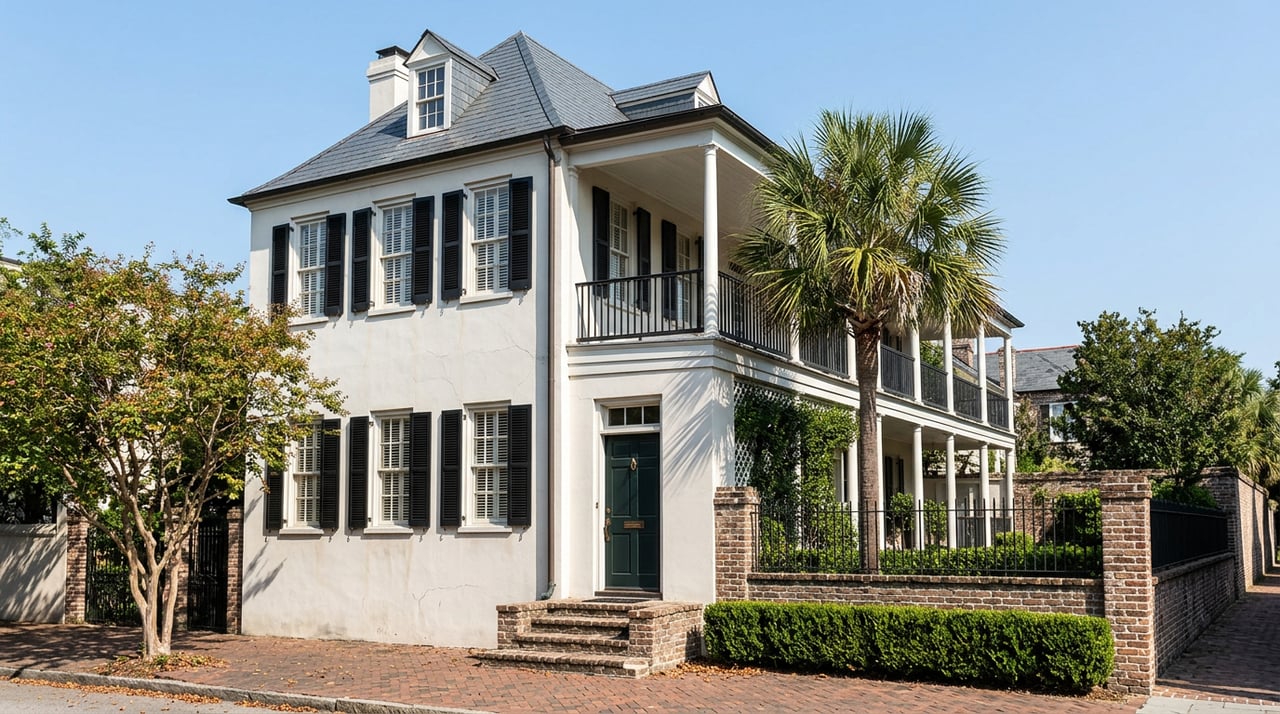
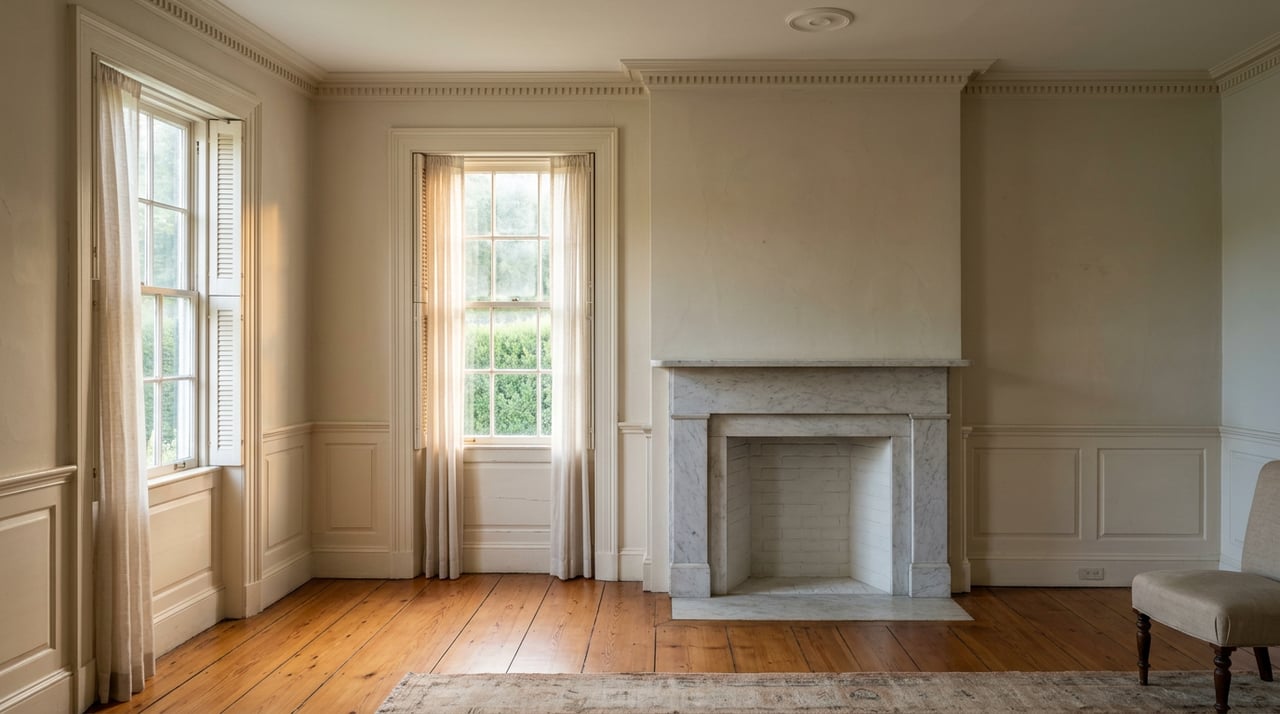
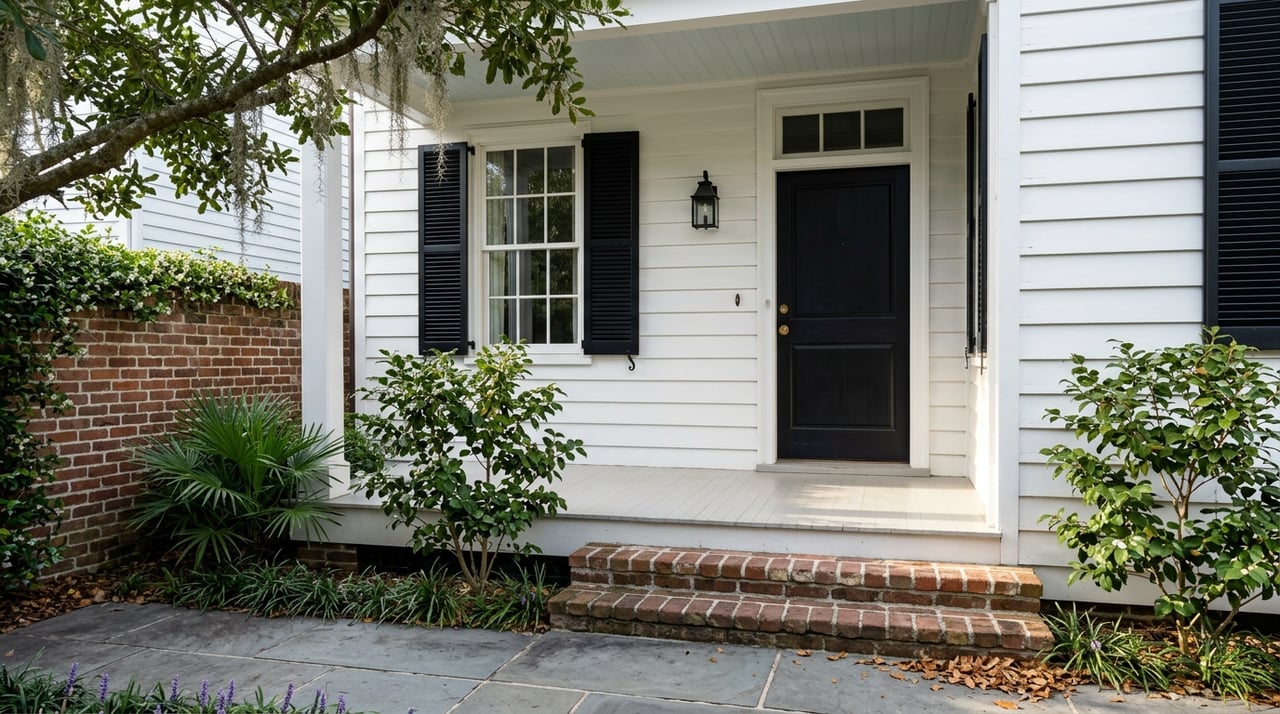
That matters if you love historic homes but also plan to renovate. Charleston’s older housing stock includes some of the city’s most distinctive home styles, including the classic single house with south-facing piazzas, but design changes may involve review before work begins.
Parking Matters Downtown
Parking is another practical part of downtown living. The City of Charleston uses digital residential parking permits, and each residential unit within a parking district can receive a maximum of two permits.
If you have multiple vehicles, frequent guests, or a preference for easy parking, this is worth considering early. A beautiful downtown address may still need to fit the way you move through daily life.
Mount Pleasant: Bridge Access and Shem Creek Life
Mount Pleasant often appeals to buyers who want a direct path to downtown while keeping a more separate neighborhood feel. For many households, the key factor is how often you will cross the Ravenel Bridge, since that route can shape the rhythm of the workweek.
This is why a map alone is not enough. If Mount Pleasant is on your list, it is smart to test the route during weekday rush hour and during special-event periods so you can see how it feels in real time.
Old Village and Shem Creek
One of Mount Pleasant’s best-known lifestyle areas is around the Old Village Historic District and Shem Creek. The town describes the Old Village Historic District as a 37-block local historic overlay bounded by Shem Creek, Whilden Street, the old bridge and marshland, and Charleston Harbor.
The district draws much of its character from its social history, harbor setting, and historic homes. Shem Creek itself has long supported fishing, shrimping, shipbuilding, and boat repair, giving the area a working waterfront identity that feels distinct from the peninsula.
Lifestyle Fit in Mount Pleasant
Shem Creek is not just scenic. The town’s boardwalk and bike-lane projects highlight access to the park and nearby restaurants, and continuous bike lanes were added on Coleman Boulevard across the Shem Creek Bridge.
If you want water views, access to a waterfront gathering place, and a route to downtown that feels more direct than some outer coastal options, Mount Pleasant can offer a compelling balance.
Sullivan’s Island: Quiet Beach Living
Sullivan’s Island offers a very different pace. The town describes it as a three-and-a-half-mile barrier island near the entrance to Charleston Harbor with small-town charm, a relaxed lifestyle, pristine beaches, award-winning restaurants, and a close-knit community.
Its commercial activity is concentrated in a compact, walkable node on Middle Street rather than spread across a larger retail district. That creates a more low-key daily experience for buyers who want beach access without a heavier commercial setting.
Preservation and Property Planning
Sullivan’s Island is also a preservation-sensitive environment. Its residential district is mostly single-family, and the town has four National Register Districts and three local historic districts.
If you are considering a purchase here, it is also important to think through flood-zone review and building considerations. The town advises buyers or their agents to contact the Building Official before purchasing a home or lot, which makes early due diligence especially important.
Isle of Palms: Beach and Marina Convenience
If your ideal Charleston move includes beach days, boating, and a broader set of visitor amenities, Isle of Palms may stand out. The city says it has seven miles of beaches, and its Front Beach commercial district on Ocean Boulevard includes public restrooms, parking, restaurants, and shops.
That setup can make the island feel more service-oriented and convenient for buyers who want beach access paired with more built-in infrastructure.
A Strong Fit for Boating Lifestyles
The marina adds another layer to Isle of Palms living. The city describes it as a full-service, 50-slip facility with a public boat ramp, floating docks, transient-boater amenities, and resident parking.
The island also has a wide housing range. According to the fire department, single-family homes range from under 1,000 square feet to more than 8,600 square feet, which shows the variety available within a beach setting.
Residential Feel With Resort Access
The city describes Isle of Palms as a residential bedroom community that grew into a summer destination. For many relocating buyers, that helps explain the appeal: you can enjoy a beach-and-marina lifestyle while still being in a place with a settled residential identity.
Folly Beach: Casual Surf-Town Energy
Folly Beach offers a lifestyle that feels looser and more surf-oriented than downtown or some of the other island choices. The town describes Folly as a place known for sea, sand, surfing, wildlife, and community, and that spirit is part of what draws buyers there.
It is also the closest beach to historic Charleston, which can make it attractive if you want regular beach access while staying connected to the city.
The Big Question on Folly
The key issue for many buyers is access. The City of Charleston’s Folly Road study describes the corridor as a major thoroughfare to Folly Beach and the area’s primary evacuation route, and it notes inefficient traffic operations, infrequent sidewalks, limited bike lanes, and inadequate transit infrastructure.
That means drive time may matter much more than mileage. If you are considering Folly Beach or the James Island corridor, test your actual commute instead of assuming the distance tells the full story.
Parking and Peak-Time Realities
Parking is also tightly managed around Folly Beach. The city’s parking information shows strict rules on roadway parking and active enforcement.
If your lifestyle includes frequent beach weekends, guests, or multiple cars, make sure you understand how those rules would affect your routine.
Questions to Ask Before You Choose
The best Charleston neighborhood for you depends on the tradeoffs you are comfortable making. As you compare options, keep these questions front and center:
- How often will you cross the Ravenel Bridge, use I-26, or rely on Folly Road?
- Do you want a home in a historic district with design review or renovation limits?
- Is your priority walkability, dining, a working waterfront, marina access, or a quieter beach setting?
- How much parking do you need for daily life, visitors, and weekends?
- Will you need to confirm flood zone, permitting, insurance, or preservation review before making an offer?
Smart Ways to Tour Charleston Neighborhoods
When you are relocating, in-person research can tell you more than online browsing ever will. A thoughtful tour should help you understand not just the home, but the full rhythm of the area.
Try These Steps
- Drive your exact commute twice, once during weekday rush hour and once on a weekend or event day.
- Walk the neighborhood after dark to notice parking pressure, noise, and street activity.
- Visit the place where the lifestyle happens, whether that is the downtown Market area, Shem Creek, Front Beach, Middle Street, or Center Street and nearby beach access points.
- Confirm flood zone, insurance, design-review, and permitting steps before you write an offer, especially in historic districts and on barrier islands.
Finding the Right Charleston Fit
Charleston does not offer one universal answer for every relocating buyer. Downtown may suit you best if you want walkability, culture, and historic housing. Mount Pleasant may fit if you want bridge access and waterfront energy. Sullivan’s Island may feel right if you want a quieter, preservation-oriented beach setting, while Isle of Palms can offer beach and marina convenience, and Folly Beach brings a more casual surf-town feel.
The key is not choosing the neighborhood that sounds best on paper. It is choosing the one that supports the way you want to live once the boxes are unpacked.
If you are planning a move and want help comparing Charleston neighborhoods with a local, highly tailored approach, connect with Oyster Point Real Estate Group. Their team brings deep knowledge of downtown Charleston, historic homes, and coastal communities, along with thoughtful relocation guidance built around your lifestyle.
FAQs
What should you consider before relocating to a Charleston neighborhood?
- You should look closely at your commute routes, parking needs, desired lifestyle, and whether the area involves historic review, flood-zone questions, or other property-specific planning steps.
What is daily life like in downtown Charleston for relocating buyers?
- Downtown Charleston can offer walkability, cultural access, and car-light living on the peninsula, but you should also consider historic-review rules and residential parking permit limits.
What makes Mount Pleasant a popular option near Charleston?
- Mount Pleasant can appeal to buyers who want access to downtown through the Ravenel Bridge along with waterfront lifestyle areas like Shem Creek and the Old Village.
How is Sullivan’s Island different from other Charleston beach areas?
- Sullivan’s Island offers a quieter beach setting with a compact commercial core, mostly single-family residential character, and a strong preservation focus.
What should you know about living on Isle of Palms?
- Isle of Palms combines seven miles of beaches with a marina, a Front Beach commercial district, and a residential setting that can suit buyers who want both convenience and coastal access.
What is important to know about Folly Beach before buying?
- Folly Beach offers a laid-back surf-town lifestyle close to Charleston, but you should pay close attention to Folly Road traffic, evacuation-route realities, and parking rules.
How can you test whether a Charleston neighborhood fits your routine?
- You can drive your actual commute at different times, walk the area after dark, visit its main lifestyle hub, and confirm flood, insurance, and design-review factors before making an offer.