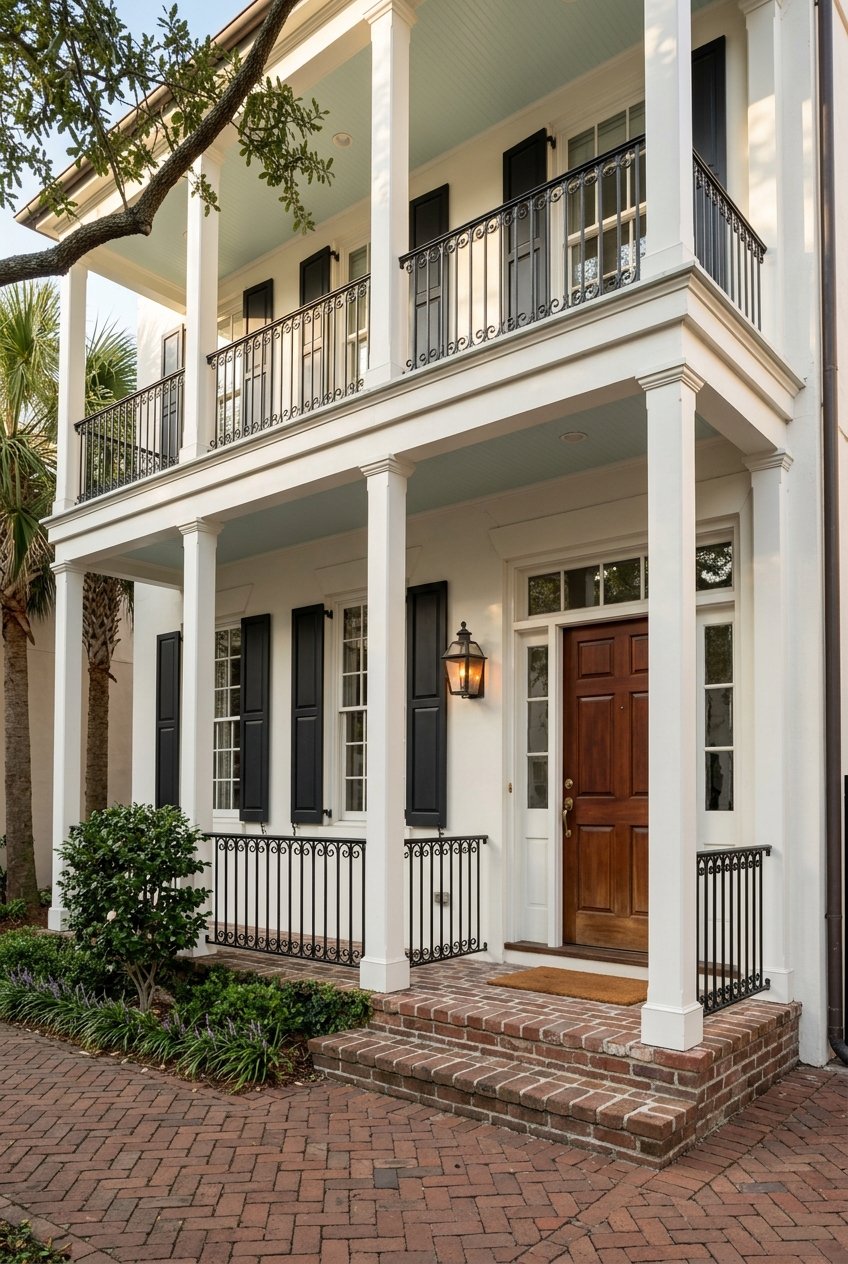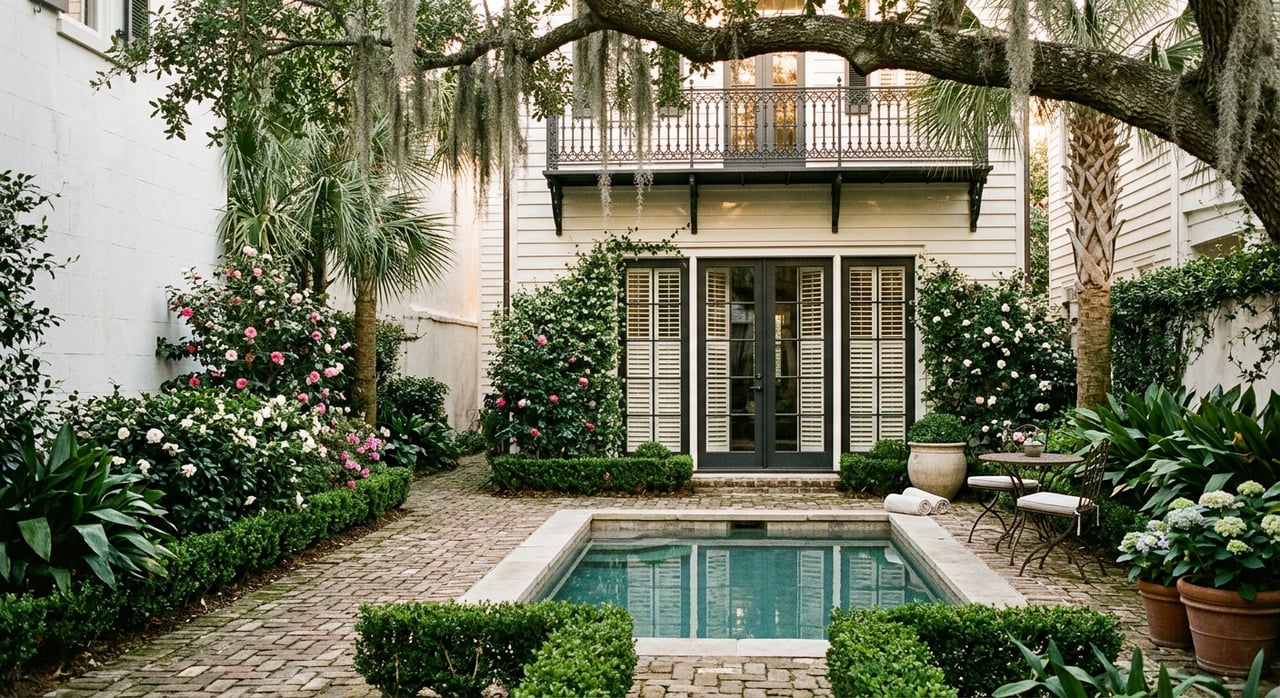
Thinking about buying a second home or investment property in Charleston? It is an exciting idea, but in this market, your intended use matters almost as much as the address. Whether you want a personal retreat, a part-time rental, or an income-focused property, the rules, taxes, and carrying costs can change quickly. Understanding those differences early can help you buy with more confidence and fewer surprises. Let’s dive in.
Why property use matters in Charleston
In Charleston, a property is not just judged by location or price. It is also shaped by how you plan to use it. A second home, a mixed-use property, and a full investment property can each come with different tax treatment, permitting needs, and ongoing costs.
That distinction matters right away in South Carolina property taxes. Charleston County states that primary residences are assessed at 4% of fair market value, while other real estate is assessed at 6%. If a home is not your legal residence, your annual tax picture may look very different from what you would pay on a primary home.
Charleston County also explains that property tax is based on market value, assessment ratio, and millage. For second-home and investment buyers, the 6% assessment ratio is one of the first numbers to understand when comparing options. It can have a meaningful impact on carrying costs over time.
Second homes vs investment properties
A true second home is usually purchased for personal use. You may plan to enjoy it for seasonal stays, long weekends, or as a future retirement property. In that case, your focus may be on lifestyle, ease of upkeep, and how well the home fits the way you want to spend time in Charleston.
An investment property is different. If your goal is rental income, you need to underwrite the property with local permitting, taxes, insurance, maintenance, and administration in mind. In Charleston, those factors can be significant.
There is also a middle ground. Some buyers want a property that works as a personal retreat but also produces income for part of the year. That mixed-use approach can be appealing, but it often creates more complexity than buyers expect.
Tax differences can change the math
For many buyers, the first major difference is local property tax classification. Charleston County states that legal residences qualify for the 4% assessment ratio, while other real estate is assessed at 6%. If you are comparing a Charleston primary home to a second home or rental property, that difference should be part of your cost analysis from day one.
Some owners may also qualify for additional primary-residence benefits, but those do not extend to second homes in the same way. The South Carolina Department of Revenue says the Homestead Exemption applies only to qualifying owners whose property is their legal residence and who meet certain age or disability requirements. That means a second home buyer should not assume the same tax advantages that apply to a primary residence.
If the property is rented, tax treatment can become even more layered. Federal rules may treat the home differently depending on how much personal use you keep and how much of the year the property is rented. For buyers considering a part-time rental strategy, this is one of the clearest reasons to plan ahead with professional guidance.
Short-term rentals need local approval
If you are buying with short-term rental income in mind, local rules come first. The City of Charleston requires both a business license and a short-term rental permit for STRs. That alone makes it important to confirm whether a property can legally support your intended use before you move forward.
Charleston’s STR rules are also not one-size-fits-all. The city divides residential short-term rentals into geographic categories, and commercial STRs are allowed only in certain commercial zoning districts within the STR overlay zone. Some bed-and-breakfast units in residential areas within the overlay zone must also be operated by the record owner, who must live on the property at least 183 days per year.
For buyers, the takeaway is simple. You should never assume that a home can be used as an STR just because it is appealing to visitors or located in a popular part of town. The legal use of the property should be verified early, before you build revenue projections around it.
Accommodations taxes add to operating costs
Permit approval is only part of the equation. South Carolina says accommodations tax applies to sleeping accommodations rented for less than 90 consecutive days. The City of Charleston also states that STR operators must collect and remit the applicable state and local taxes, even if they hire a manager.
For City of Charleston properties in Charleston County, the city’s current chart lists total taxes on accommodations at 14%. That means your gross rental revenue is not the same as your usable revenue. When you evaluate a property as an investment, those tax obligations need to be built into your numbers.
The city also warns that not all online platforms collect and remit local accommodations tax. Even if a marketplace is involved, the owner remains responsible. For income-focused buyers, this is a good reminder that compliance and oversight are part of ownership, not optional extras.
Furnished rentals can trigger more filings
If you plan to rent out a furnished property on a short-term basis, there may be another layer to account for. Charleston County says businesses and short-term furnished rental properties must file an annual personal property tax return by April 30. The South Carolina Department of Revenue describes business personal property tax as a tax on furniture, fixtures, and equipment owned and used in a business.
This can catch buyers off guard, especially if the home is being furnished to compete at a higher price point. In Charleston’s luxury market, furnishings are often a meaningful part of the guest experience. That makes it important to factor both setup costs and annual filing requirements into your ownership plan.
Flood risk is a real Charleston cost
Charleston’s coastal setting is part of its appeal, but it also creates practical costs that second-home and investment buyers need to respect. The City of Charleston states that all properties in the city are in a flood zone, although not all are in the FEMA Special Flood Hazard Area. Charleston County adds that the greatest flooding threat in the county is storm surge from Atlantic hurricanes.
The city also notes that a standard homeowners policy does not cover flood damage. Most lenders require flood insurance in the Special Flood Hazard Area, and NFIP coverage typically has a 30-day waiting period. In other words, flood planning is not something to leave until the last minute.
Charleston does participate in FEMA’s Community Rating System, and the city says its current CRS rating of 6 can provide citizens up to a 20% flood-insurance premium discount. Even so, buyers should still review the flood map, request an elevation certificate if needed, and confirm flood-hazard information before closing.
Repairs and renovations may take more planning
In Charleston, maintenance is not always simple, especially in flood-prone or historic areas. The City of Charleston says that in the Special Flood Hazard Area, even work such as painting, interior finishes, and storm-damage repairs requires a permit. The city also applies freeboard requirements above base flood elevation.
That can create added time, paperwork, and cost when you are planning repairs or updates. For a second-home owner, that may affect how much effort the property will require from afar. For an investor, it can affect downtime, budgeting, and how quickly a property can be returned to service after repairs.
Historic properties can add another level of review. The city’s Board of Architectural Review reviews certain new construction, alterations, renovations visible from the public right-of-way, and some demolitions in historic districts. If you are drawn to an older downtown property, that architectural character may come with a more detailed renovation path.
How to evaluate a Charleston property wisely
A smart way to approach Charleston is to work backward from your intended use. If you are buying for lifestyle first, focus on how you want to live in the property, how much upkeep you are comfortable with, and whether the tax profile fits your long-term plans. If you are buying for income first, confirm the legal use, permit path, tax obligations, flood profile, and maintenance burden before you treat the property like a straightforward asset.
It also helps to ask a few core questions early:
- Will the property legally support the way you want to use it?
- Will personal use and rental use create mixed tax treatment?
- What will property taxes, insurance, and maintenance realistically cost each year?
- If rented short term, what licenses, permits, and tax collection duties apply?
- Will flood-zone or historic-review rules affect repairs or future improvements?
In Charleston, those questions are not side issues. They are central to making a strong purchase decision.
Why local guidance matters
Charleston is a highly specific market, especially when you are looking at historic homes, luxury second residences, or income-producing property. A home that looks ideal on paper may carry important use restrictions, operating costs, or renovation considerations that only become clear during careful diligence.
That is where local knowledge matters. Oyster Point Real Estate Group brings a refined understanding of Charleston’s historic housing stock, luxury neighborhoods, and coastal ownership realities. For buyers weighing lifestyle goals against practical costs, that kind of local perspective can make the process clearer and more strategic.
If you are exploring a second home or investment property in Charleston, the right next step is to look beyond the listing price. The real question is whether the property fits the way you want to use it, own it, and maintain it over time. When those pieces align, you can buy with much more confidence.
If you want a thoughtful, locally grounded perspective on buying in Charleston, connect with Oyster Point Real Estate Group.
FAQs
What is the property tax difference for a second home in Charleston?
- Charleston County states that primary residences are assessed at 4% of fair market value, while other real estate, including second homes and many investment properties, is assessed at 6%.
What permits are required for a short-term rental in Charleston?
- The City of Charleston requires both a business license and a short-term rental permit, and the property must also fit the applicable zoning and category rules.
What taxes apply to short-term rentals in Charleston?
- South Carolina says accommodations tax applies to stays of less than 90 consecutive days, and the City of Charleston says STR operators must collect and remit the applicable state and local taxes, which total 14% for City of Charleston properties in Charleston County.
What flood insurance rules should Charleston buyers know?
- The City of Charleston says all properties in the city are in a flood zone, standard homeowners insurance does not cover flood damage, and most lenders require flood insurance in the FEMA Special Flood Hazard Area.
What should mixed-use Charleston buyers consider before renting their second home?
- Buyers should consider how personal use and rental use may change tax treatment, what permits and tax collection duties apply, and how flood, maintenance, and compliance costs will affect annual ownership expenses.