If you want to understand why Charleston’s peninsula feels so memorable, start on foot. Downtown Charleston is highly walkable, with historic areas, shops, restaurants, galleries, and waterfront spaces clustered close together, which makes it easy to experience the city block by block. Whether you are planning a visit, considering a move, or simply getting to know the peninsula better, this guide will help you see how Charleston’s historic districts and hidden lanes shape daily life. Let’s dive in.
Why Charleston Walks So Well
Charleston’s downtown is defined by its peninsula setting along Charleston Harbor. That geography helps create a compact, connected experience, especially in and around the French Quarter, the Battery, King Street, Broad Street, and the Market area.
The city’s planning work also reflects how important walking is downtown. Charleston’s Peninsula Plan focuses on mobility across the peninsula, and local tourism resources describe the historic district as highly walkable, with attractions and everyday stops close together.
Another reason the area feels so cohesive is preservation. Charleston’s Old and Historic District, Old City District, and Historic Corridor District are shaped by local zoning rules, and the Board of Architectural Review oversees visible new construction and exterior changes in historic areas. For you as a walker, that often translates to a streetscape that feels visually consistent and carefully maintained.
French Quarter: Charleston’s Historic Core
If you picture classic downtown Charleston, you are probably picturing the French Quarter. This part of the peninsula is closely tied to cobblestone streets, walking tours, galleries, and many of the city’s best-known historic settings.
On foot, the French Quarter feels compact and easy to explore. Cultural venues and galleries cluster nearby, so you can move from one stop to the next without needing much of a plan. It is one of the clearest examples of Charleston’s stroll-and-discover rhythm.
For buyers who value walkability, the French Quarter also shows what downtown living can feel like in practice. You are not just near landmarks. You are near the kind of streets and destinations that make daily routines feel more connected to the city itself.
South of Broad and the Battery
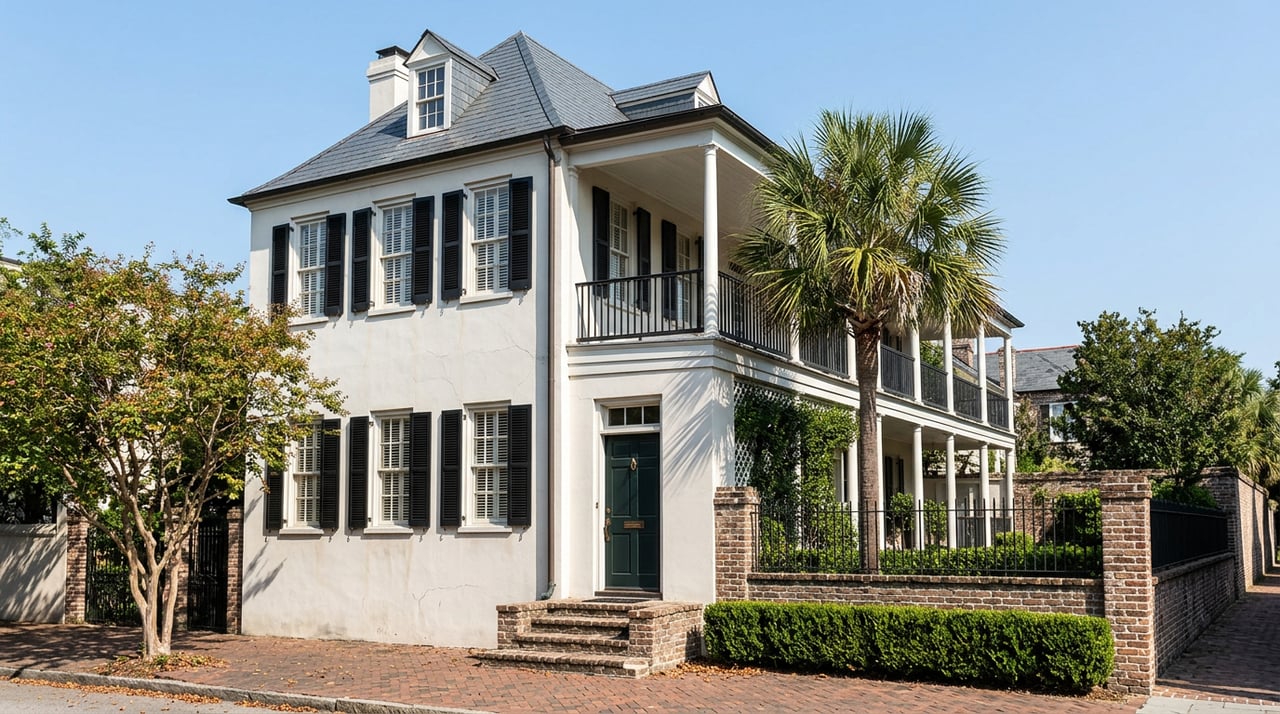
South of Broad offers a different pace. This part of the peninsula is often associated with historic homes, harbor views, and some of Charleston’s most recognizable streetscapes, including Rainbow Row and the Battery.
Compared with busier retail corridors farther north, this area tends to feel quieter and more residential on foot. It is a place where the architecture, the scale of the streets, and the waterfront setting all work together.
The city’s recent work along the Low Battery adds to that experience. Improvements included sidewalks, crossings, and a raised promenade designed to make waterfront access safer and easier for pedestrians. If you are drawn to legacy homes and a strong sense of place, this side of the peninsula often leaves a lasting impression.
Cannonborough/Elliottborough and Upper King
If you want a more lived-in feel, head toward Cannonborough/Elliottborough and Upper King. City character appraisals identify Cannonborough/Elliottborough as a historic peninsula neighborhood with diverse architecture and strong cultural elements.
Explore Charleston describes Cannonborough as bordering the medical district and Upper King, with creative culinary spots and community gardens. On foot, that gives the area a different texture from the formal waterfront blocks and the polished historic core.
Upper King adds even more energy. It connects you to dining, shopping, and an active downtown street scene, while still feeling part of the broader peninsula fabric. For many people, this area shows how Charleston balances history with everyday momentum.
King Street, Broad Street, and the Market
King Street remains the region’s shopping and dining hub, and it plays a central role in how many people experience downtown Charleston. The city tracks the corridor from Broad Street to Line Street, which gives you a sense of how important this spine is to daily downtown activity.
The Central Business District also includes the Market area and portions of Broad, East Bay, and Meeting Streets. Together, these blocks create the practical pulse of the peninsula, where errands, meals, retail stops, and sightseeing often overlap.
If you are trying to understand downtown from a lifestyle perspective, this is where Charleston feels most active and layered. You can move from a storefront to a gallery, from a side street to a public space, and from a historic building to a dinner reservation in a matter of minutes.
Hidden Lanes and Alleyways
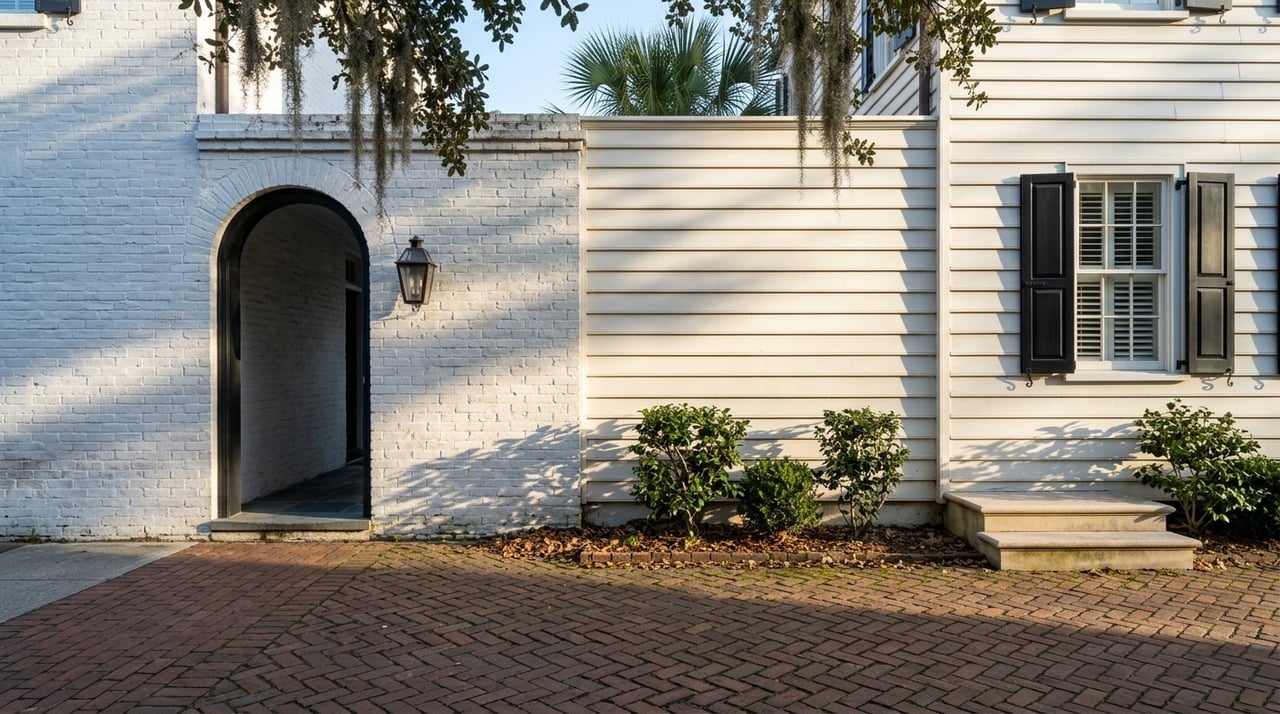
Some of Charleston’s most memorable moments happen between the main streets. The city’s lanes, alleys, and pedestrian passages give the peninsula a more intimate scale and reward slow walking.
Gateway Walk is one of the best examples. It is a three-block stroll from Archdale Street to Church Street, and it offers a quieter path through the historic district. It feels tucked away, but it is part of the city’s real walking network.
Charleston’s alleyway guide also points to intimate passages like Stoll’s Alley, Bedon’s Alley, ZigZag Alley, Longitude Lane, Philadelphia Alley, Ropemaker’s Lane, and Price’s Alley. These smaller routes help explain why downtown can feel romantic without feeling staged. You notice details more easily when the city narrows and softens around you.
Waterfront Walks and Harbor Access
Charleston’s relationship to the harbor is one of the reasons walking here feels so distinct. Waterfront Park, the Battery, and the Maritime Center all help connect downtown life to the water.
The city describes Waterfront Park as an eight-acre linear park and pier along Charleston Harbor, with fountains, garden rooms, lawns, and a walking path. It is not just a scenic stop. It is part of the everyday public realm of the peninsula.
The High Battery remains one of Charleston’s iconic waterfront walkways, and the updated Low Battery promenade makes that harbor edge more accessible on foot. The Charleston Maritime Center also sits within walking distance of the market, King Street, hotels, and Waterfront Park, reinforcing how closely the harbor ties into ordinary downtown movement.
A Simple Way to Explore on Foot
One of the easiest ways to enjoy Charleston’s historic districts is to keep your day simple and walk in layers. The peninsula works well when you let one stop lead naturally to the next.
A typical route might look like this:
- Start with coffee or brunch in the historic core or near King Street
- Browse a gallery in the French Quarter or near Waterfront Park
- Take a short detour through Gateway Walk or one of the historic alleys
- Pause at Waterfront Park or along the Battery in the late afternoon
- End with dinner near the French Quarter, King Street, or the harbor
This sequence works because dining, culture, lanes, and waterfront spaces are all closely connected. You do not need to cover everything in one outing to get a real feel for the peninsula.
Getting Around Beyond Walking
If you want a break from walking, Charleston Area Regional Transportation Authority offers the free DASH service on the peninsula. The three routes reach places like the Aquarium, King Street, Broad Street, Waterfront Park, City Market, Upper King, and the Citadel area.
That can make it easier to combine different parts of downtown in one day. You can walk one district in depth, then use transit to jump to another area without worrying about keeping your route perfectly linear.
What This Means for Charleston Living
For many buyers, Charleston’s walkable historic districts are not just pleasant to visit. They are part of the appeal of owning property on or near the peninsula. The ability to move easily between architecture, dining, culture, and waterfront spaces gives downtown Charleston a lifestyle that feels hard to replicate elsewhere.
That is especially true in historic areas like South of Broad, where housing stock, preservation, and setting all carry added nuance. If you are considering a purchase or a sale in one of these districts, local knowledge matters because each micro-area functions a little differently on the ground.
At Oyster Point Real Estate Group, that street-level perspective is part of the work. From South of Broad homes to other distinctive downtown properties, understanding how Charleston lives on foot helps shape better guidance, sharper positioning, and more thoughtful decisions for buyers and sellers alike.
If you are thinking about buying or selling in Charleston’s historic peninsula, Oyster Point Real Estate Group can help you navigate the market with local insight and careful, high-touch service.
FAQs
Is downtown Charleston walkable for daily exploring?
- Yes. Local tourism resources describe the historic district as highly walkable, and many attractions, shops, restaurants, and waterfront spaces are located close together.
Which Charleston areas feel most historic on foot?
- The French Quarter, South of Broad, the Battery, and Charleston’s network of lanes and alleys are some of the strongest areas for a historic walking experience.
Where do shopping and dining cluster in downtown Charleston?
- King Street is the main shopping and dining corridor, with additional activity in the Market area and along parts of Broad, East Bay, and Meeting Streets.
What is Gateway Walk in Charleston?
- Gateway Walk is a three-block pedestrian stroll from Archdale Street to Church Street that offers a quieter route through the historic district.
Can you reach Charleston waterfront spots without a car?
- Yes. Waterfront Park, the Battery, and the Charleston Maritime Center are all integrated into the downtown peninsula and are accessible as part of a walking day.
Is there a free way to get around the Charleston peninsula?
- Yes. CARTA’s free DASH service runs three peninsula routes that connect key downtown destinations, including King Street, Broad Street, Waterfront Park, City Market, Upper King, and the Aquarium area.