If you are looking for luxury in Charleston, the biggest question is often not whether to buy here, but where your lifestyle fits best. The peninsula, Mount Pleasant, Isle of Palms, and Sullivan’s Island each offer a very different daily experience, even at similar price points. This guide will help you compare Charleston’s core luxury neighborhoods by architecture, access, lifestyle, and practical tradeoffs so you can narrow your search with more confidence. Let’s dive in.
Why Charleston luxury is so location-driven
In Charleston, luxury does not follow one simple ranking. These core areas work better as lifestyle choices, with each one offering a different mix of historic character, water access, mobility, and pace.
That matters because two homes with similar appeal on paper can feel completely different in real life. If you want walkable city living, preservation context, beach access, or a quieter island setting, your best fit will likely become clear once you compare how each place functions day to day.
Peninsula: historic and highly walkable
The historic peninsula is usually the top choice for buyers who want Charleston’s most concentrated mix of architecture, culture, and downtown convenience. It offers a harbor-facing setting, iconic streetscapes, and close access to shopping, dining, and cultural landmarks.
This area is also the most preservation-intensive of the four. The City of Charleston maintains historic inventories in key districts, and the Board of Architectural Review oversees new construction and visible exterior changes within those areas.
What the housing feels like
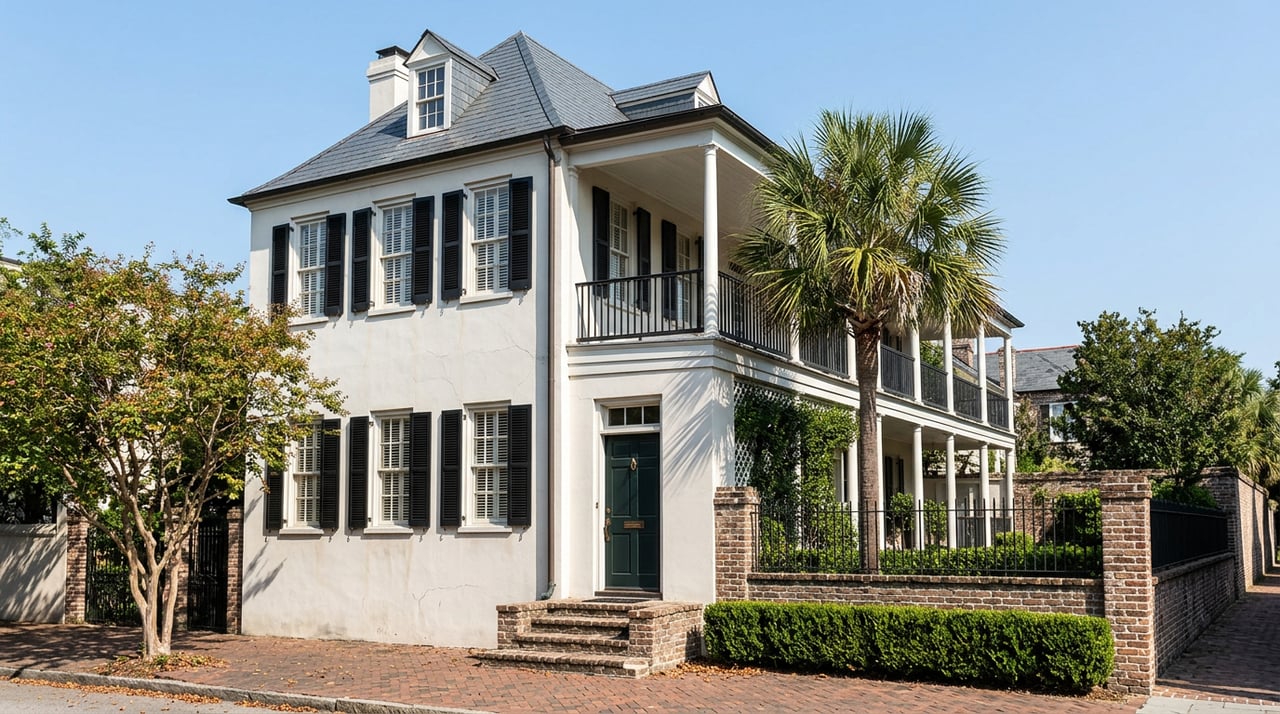
On the peninsula, architecture is part of daily life. City materials identify locally characteristic forms such as the Charleston Single House and the Double House, and many buyers are drawn to the sense of continuity these homes create from block to block.
For luxury buyers, that often means a stronger connection to historic character, but also more exterior review and design oversight. If stewardship and architectural context matter to you, that can be a benefit rather than a drawback.
What daily life looks like
Downtown Charleston remains the region’s shopping and dining hub, with King Street as a central anchor. You are also close to Waterfront Park, the Maritime Center, the Old Exchange, and Dock Street Theatre, which gives the peninsula a dense mix of restaurants, retail, history, and cultural venues.
This is the best fit in the group if you want your routines to happen on foot or by bike more often. The city notes a surge in walking and bicycling, and some residents commute that way.
Best fit for peninsula buyers
The peninsula often works best if you want:
- Historic architecture and strong preservation context
- Easy access to restaurants, retail, and cultural venues
- A more walkable or bikeable routine
- Harbor access rather than beach access
Main tradeoffs on the peninsula
Luxury on the peninsula comes with practical friction that some buyers gladly accept. Parking is metered and regulated in many downtown areas, especially around King Street, and historic review can affect exterior plans and timelines.
Mount Pleasant: variety and balance
Mount Pleasant often appeals to luxury buyers who want a broader residential market with easier access to both downtown Charleston and coastal recreation. It blends preserved character in the Old Village with a larger range of housing and neighborhood settings beyond it.
Compared with the peninsula, Mount Pleasant usually feels more spread out and more car-dependent, but many buyers see that as part of its flexibility. You can enjoy harbor, creek, and marsh settings while staying bridge-connected to downtown.
What the housing feels like
The Old Village Historic District is a 37-block local historic district described by the town as a quiet residential area with small and large houses, varied historic architecture, and harbor-view bluffs. Beyond the Old Village, the broader Mount Pleasant market offers more housing variety than the smaller island options.
That range is a big part of the appeal. If you want more choice in lot patterns, home styles, and neighborhood layouts, Mount Pleasant tends to offer a wider menu than the peninsula or the barrier islands.
What daily life looks like
Shem Creek is one of Mount Pleasant’s signature lifestyle areas. The town and local tourism materials describe it as a hub for restaurants, boardwalks, harbor and marsh views, water activities, and a long shrimping and fishing legacy.
Memorial Waterfront Park, Pitt Street Bridge, and Patriots Point add to the waterfront and cultural mix. For many buyers, Mount Pleasant feels like the middle ground between urban Charleston and the beach-oriented islands.
Best fit for Mount Pleasant buyers
Mount Pleasant often works best if you want:
- More housing variety and neighborhood choice
- Access to downtown and the beaches
- Creek, marsh, and harbor recreation
- A balanced lifestyle rather than a single defining setting
Main tradeoffs in Mount Pleasant
Mount Pleasant is the most bridge-dependent option for everyday commuting. The Arthur Ravenel Jr. Bridge connects the town to downtown Charleston, and major corridors like US 17 and Coleman Boulevard are known for heavy traffic volumes, even with signal and corridor improvements.
Isle of Palms: beach and resort energy
If your version of luxury starts with the shoreline, Isle of Palms stands out. It reads most clearly as a coastal resort market, with housing that ranges from condos and cottages to oceanfront mansions.
This is the choice for buyers who want a vacation-style atmosphere as part of everyday ownership. The setting is strongly shaped by the beach, marina access, and resort-oriented patterns of use.
What the housing feels like
The island offers a broad range of coastal property types. Its identity is tied in part to beach living and, on the northeast end, the development of Wild Dunes as a major resort locale.
That gives Isle of Palms a different tone than the peninsula or Mount Pleasant. Instead of leaning on urban history or village character, it leans into shoreline living and a more leisure-forward environment.
What daily life looks like
The city highlights seven miles of wide beaches and a Front Beach commercial district with restaurants, shops, parking, and public restrooms. The marina and public dock support kayaking, paddleboarding, fishing, dolphin viewing, and other low-key waterfront use.
For many luxury buyers, that means your free time is built into the location. The beach is not just nearby. It shapes how the island feels, moves, and functions.
Best fit for Isle of Palms buyers
Isle of Palms often works best if you want:
- A true beach lifestyle
- Marina access and waterfront recreation
- Resort-style surroundings
- Property options from condos to large oceanfront homes
Main tradeoffs on Isle of Palms
Commute predictability can be harder here, especially during busy periods. The city encourages visitors to plan trips around peak traffic hours, and beach access is actively managed.
Shoreline conditions are also an important ownership consideration. The city has documented erosion-related closures at some access paths and continues beach restoration and renourishment work, so buyers should expect an actively managed beach environment.
Sullivan’s Island: quiet and preservation-focused
Sullivan’s Island offers the most intimate feel of the four areas. It is a smaller barrier island with a relaxed, residential tone and a strong emphasis on preservation, design review, and flood awareness.
For buyers who value a quieter setting over a busier commercial one, Sullivan’s Island can feel especially compelling. Its appeal is less about retail concentration and more about atmosphere, beach-cottage character, and protected island identity.
What the housing feels like
The town’s historic survey identifies the island cottage, or beach cottage, as the most common historic house type. Planning materials also emphasize maintaining residential character, historic protection, and review of new construction through the Design Review Board.
A recent comprehensive plan update notes that the island has multiple historic districts and that roughly a quarter of its houses are historic. For buyers who care deeply about architectural continuity, that level of preservation can be a major draw.
What daily life looks like
The town describes Sullivan’s Island as a small-town, relaxed barrier island with about 3.5 miles of Atlantic beachfront. Its historic identity is anchored by places like Fort Moultrie and Battery Gadsden rather than a dense shopping corridor.
Internally, the island emphasizes bicycle routes, low-speed local roads, and easy pedestrian navigation. So while regional access depends on bridges, life on the island itself often feels slower and simpler.
Best fit for Sullivan’s Island buyers
Sullivan’s Island often works best if you want:
- A quieter barrier-island setting
- Strong preservation controls and residential character
- Beach-cottage architecture and historic context
- Slower local circulation by bike or on foot
Main tradeoffs on Sullivan’s Island
Sullivan’s Island has a clear practical reality that buyers should weigh carefully. The town states that the entirety of the island lies within a Special Flood Hazard Area, so flood awareness is part of ownership from the start.
Access is also bridge-based, with entry via Mount Pleasant on SC 703 and the Ben Sawyer Bridge or via Isle of Palms across Breach Inlet on Jasper Boulevard. That can be worth it for buyers who prioritize calm over convenience.
Which neighborhood fits your lifestyle?
The best Charleston luxury neighborhood usually comes down to the life you want to live once the move is complete. Each of these markets offers a distinct version of Charleston, and none is objectively better in every category.
Here is a simple way to frame the decision:
- Choose the peninsula if you want historic architecture, walkability, downtown dining, and cultural access.
- Choose Mount Pleasant if you want variety, a broader residential market, and a practical balance between downtown and the coast.
- Choose Isle of Palms if you want the strongest beach and resort feel with marina and shoreline amenities.
- Choose Sullivan’s Island if you want a smaller, quieter island with beach-cottage character and a strong preservation framework.
Why local guidance matters in Charleston luxury
Charleston’s core luxury neighborhoods ask buyers to think beyond square footage and finishes. Historic review, parking patterns, bridge access, shoreline management, and flood context can all shape your experience after closing.
That is why neighborhood-level guidance matters so much here. A polished search starts with understanding how each area lives day to day, then matching that reality to your priorities with care and discretion.
If you are weighing the peninsula against Mount Pleasant, Isle of Palms, or Sullivan’s Island, a grounded local perspective can make the process clearer. The team at Oyster Point Real Estate Group brings deep Charleston market knowledge, historic-home fluency, and high-touch guidance for luxury buyers navigating these nuanced neighborhoods.
FAQs
What makes Charleston’s peninsula appealing for luxury buyers?
- The peninsula appeals to buyers who want historic architecture, walkability, harbor-facing access, and close proximity to Charleston’s dining, shopping, and cultural venues.
How does Mount Pleasant differ from downtown Charleston for luxury homebuyers?
- Mount Pleasant offers more housing variety and a broader residential footprint, with strong access to waterfront recreation and bridge-connected access to downtown, but it is generally more car-dependent.
Is Isle of Palms a good fit for buyers who want a second-home feel?
- Yes. Isle of Palms is the most resort-oriented of the four areas, with wide beaches, a marina, Front Beach amenities, and property types that support a vacation-style lifestyle.
What should luxury buyers know about Sullivan’s Island ownership?
- Sullivan’s Island offers a quieter, preservation-focused barrier-island setting, but buyers should be aware that the town states the entire island lies within a Special Flood Hazard Area.
Which Charleston luxury neighborhood is the most walkable?
- The historic peninsula is generally the best fit for buyers who want a more walkable or bikeable routine, with close access to downtown destinations.
How should buyers compare Charleston luxury neighborhoods?
- The clearest way to compare them is by daily lifestyle priorities, including historic character, beach access, commute patterns, preservation context, and how much activity or quiet you want around you.