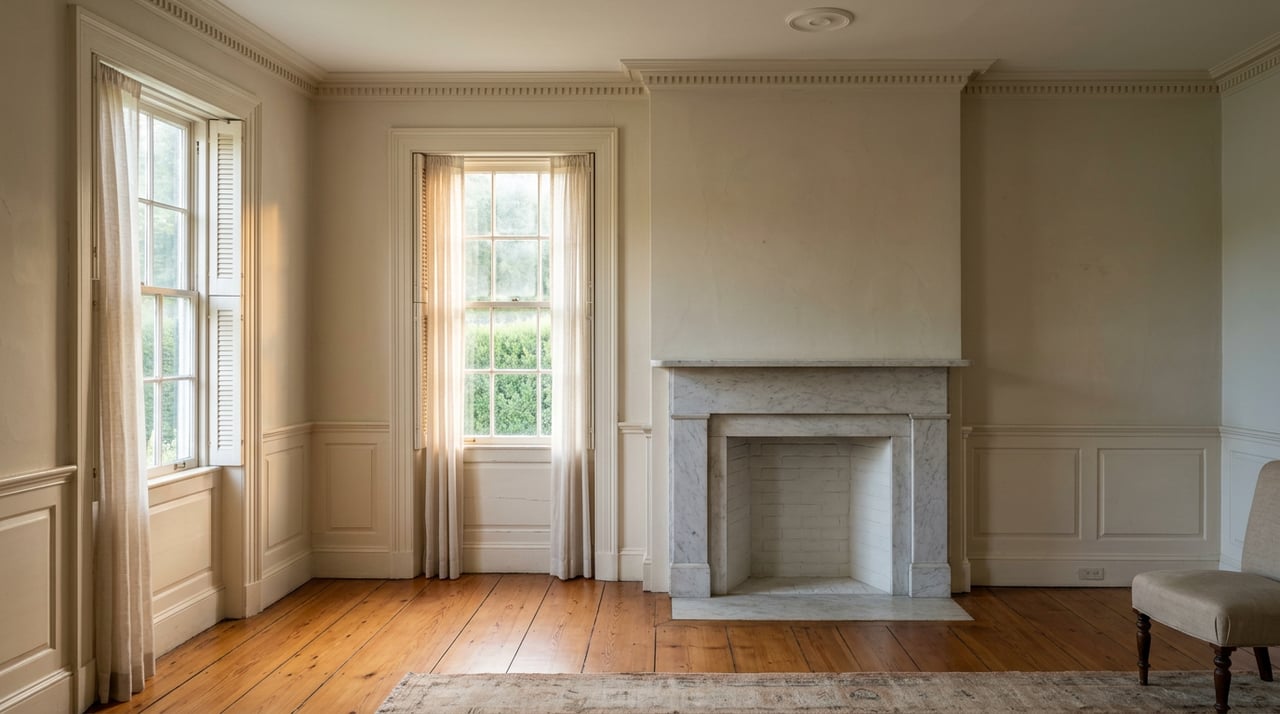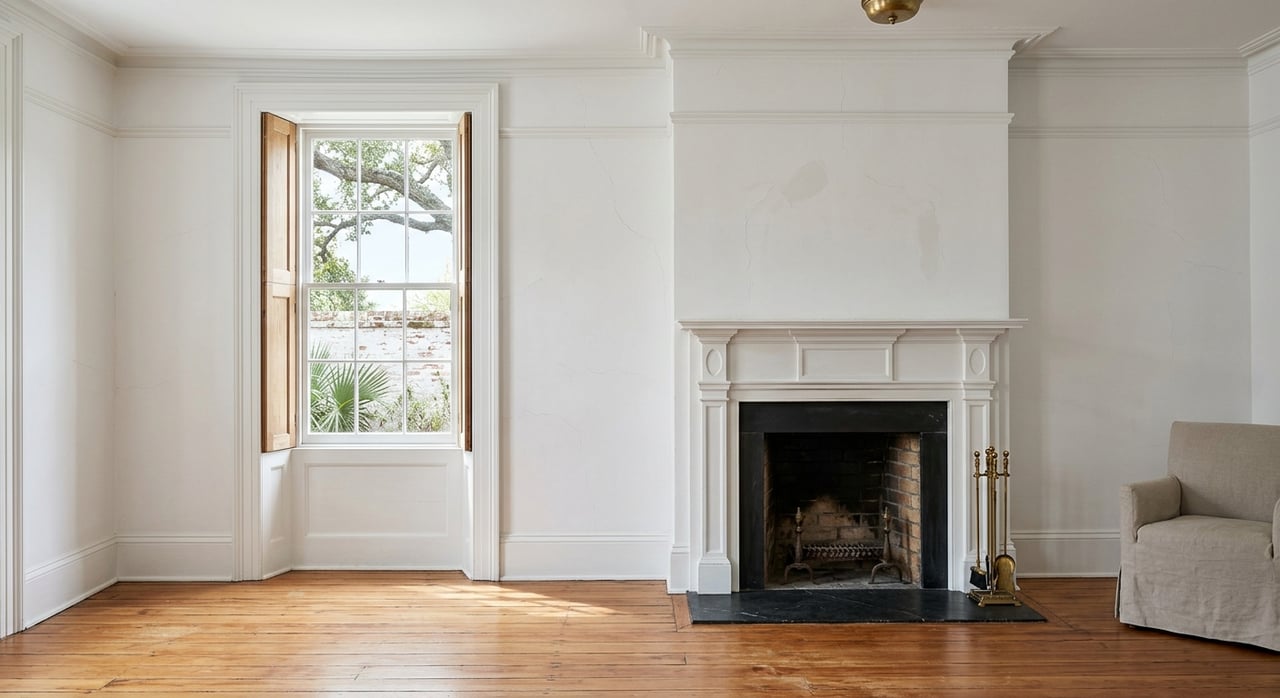
Wondering if a historic Charleston home is the right fit for you? It can be an exciting purchase, but it also comes with layers of planning that newer homes usually do not. If you are drawn to old brick, piazzas, ironwork, and the feel of living inside Charleston’s architectural story, this guide will help you understand what to look for before you buy. Let’s dive in.
What makes Charleston historic homes unique
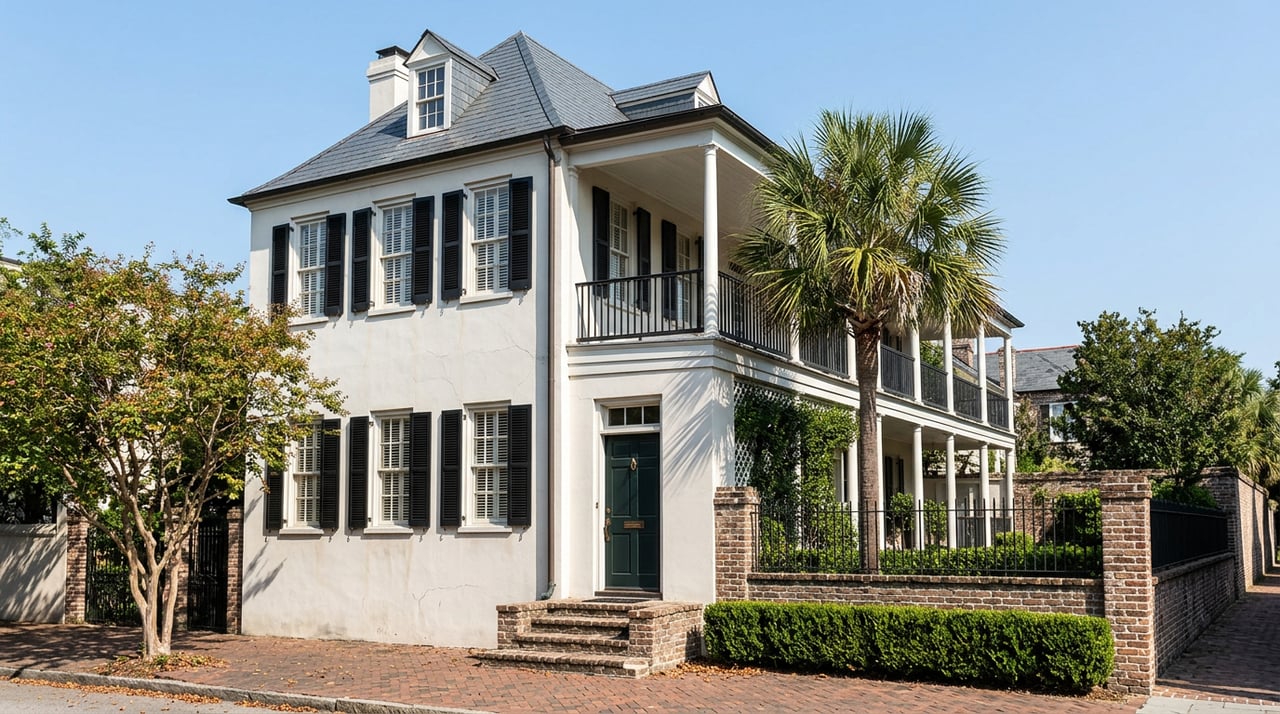
Charleston’s historic housing stock is shaped by both architecture and climate. One of the city’s best-known forms is the Charleston single house, which places the narrow end of the home toward the street and runs piazzas along the long side. This design grew in the early 18th century and became especially common after the 1740 fire, in part because it worked well on narrow lots and helped with ventilation in Lowcountry heat.
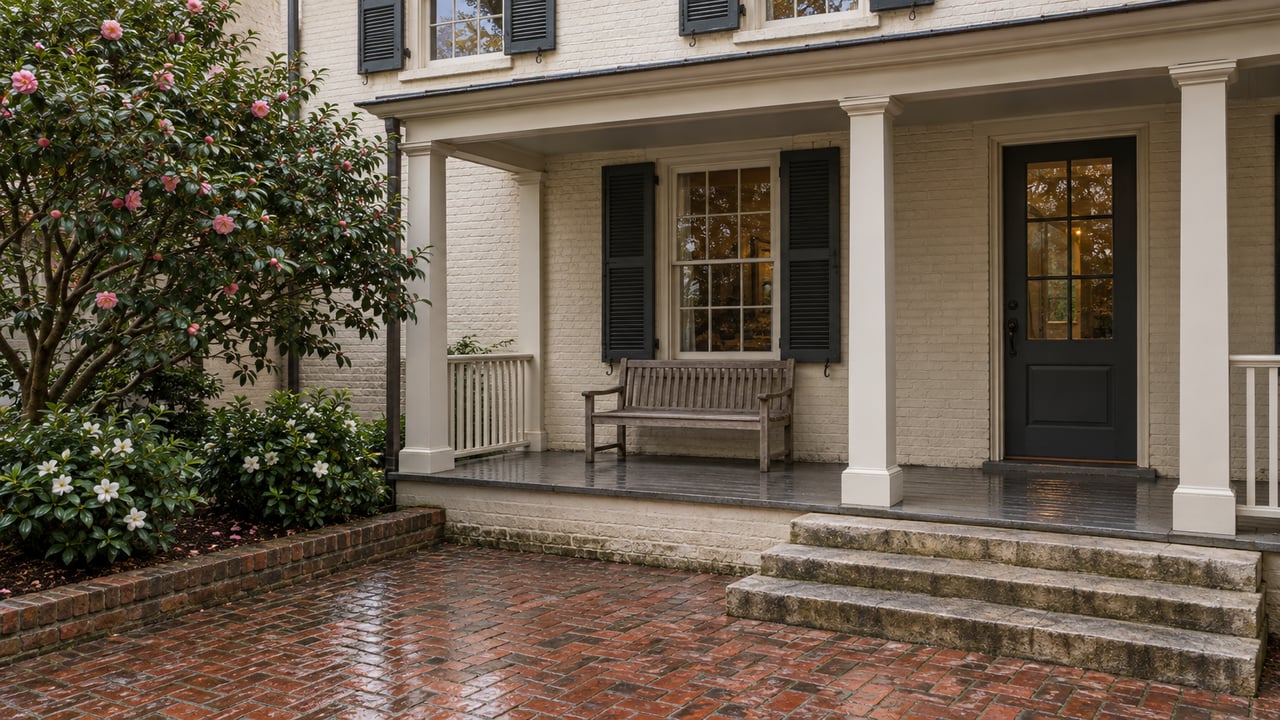
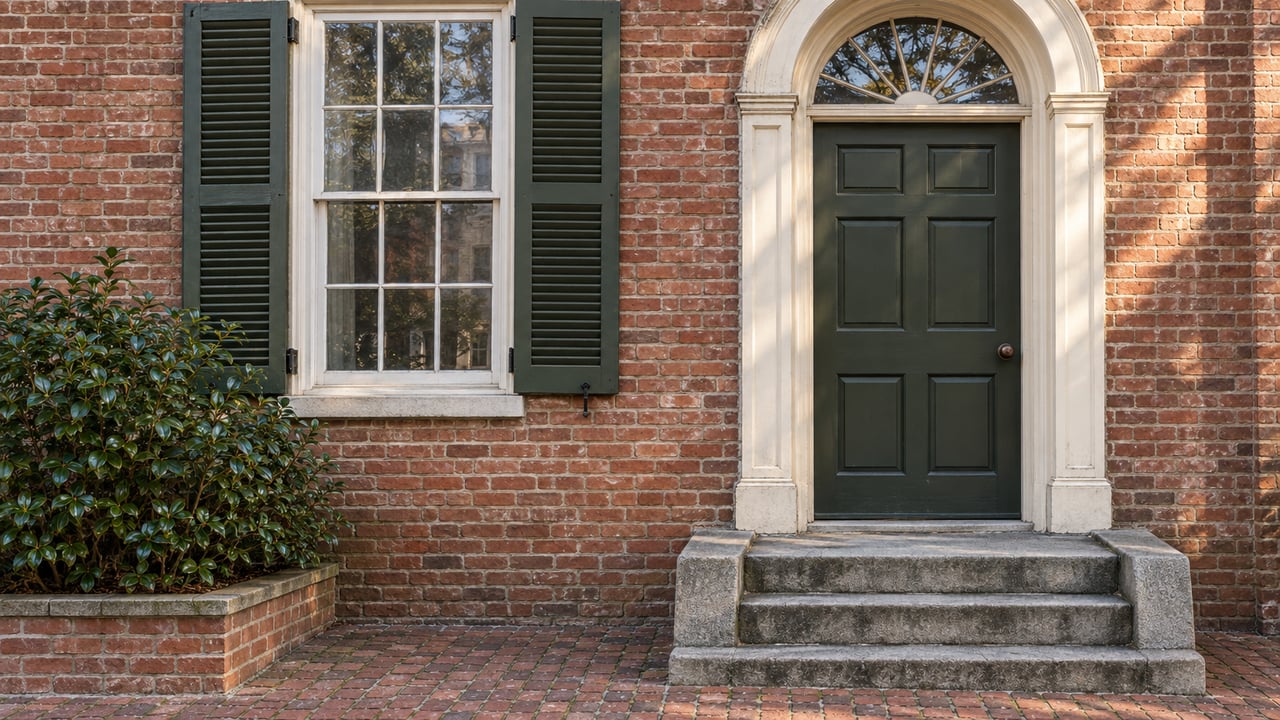
Beyond the single house, you will also see Georgian, Federal, Greek Revival, and Victorian-era homes across Charleston. Many of these properties feature details like brickwork, chimneys, columns, balustrades, decorative ironwork, porches, and piazzas. Those exterior elements are not just attractive. They often tell you a great deal about the home’s age, construction, and future maintenance needs.
If you are buying a historic property, those details deserve close attention from the start. Preservation guidance in Charleston emphasizes repair before replacement for character-defining features such as windows, siding, roofing, columns, and balustrades. That means your buying decision should account not only for appearance, but also for how much original material remains and what condition it is in.
Start with Charleston review rules
Before you fall in love with a property, confirm what rules apply to it. In Charleston, a historic home may be subject to review by the City of Charleston Board of Architectural Review, also called BAR, as well as other layers such as the Design Review Board, a Landmark Overlay, or a private preservation restriction.
The city states that BAR reviews visible new construction, alterations, and renovations within historic districts. Many minor items are usually handled at the staff level, but the larger point for a buyer is simple: exterior changes are often not as flexible as they would be elsewhere. On much of the peninsula, this review process is part of owning historic property.
Check for private easements and covenants
City review is only one piece of the picture. Some homes also have private easements or covenants that can be even more restrictive than city requirements. According to the city’s BAR guidelines, Historic Charleston Foundation easements and covenants can apply to the full parcel, may require foundation approval before the city application, and are legally binding.
That is why title and property review matter so much in a historic purchase. If a home has a preservation easement, your renovation plans may need approval from more than one party. Knowing that before you close can save time, money, and frustration later.
Flood risk is part of the buying process
Flood risk is one of the most important Charleston-specific issues to evaluate. The City of Charleston states that all properties in Charleston are in a flood zone, though not all are in FEMA’s Special Flood Hazard Area. For buyers, that means flood due diligence should be a standard part of the process, not an afterthought.
You will want to check the property’s flood map status and ask for any available elevation certificate or flood-hazard information. You should also confirm how flood insurance may affect your monthly costs and whether lending requirements change based on the property’s location.
Renovation costs can affect flood compliance
If a home sits in a Special Flood Hazard Area, future renovation plans may carry added implications. The city states that if the cumulative cost of improvements over five years equals or exceeds 50 percent of the structure’s value, the work may count as a substantial improvement. That can trigger current flood design requirements.
For a buyer, this matters even if you are not planning a full renovation right away. A series of projects over time can add up. If you are considering a historic home that may need phased work, it is smart to understand those thresholds before you make an offer.
Focus inspections on repair and moisture
A standard home inspection is helpful, but a historic Charleston home often needs a more preservation-aware lens. City guidance and preservation best practices both emphasize repairing original materials whenever possible and replacing them in kind only when repair is no longer feasible.
That means your inspection should go beyond basic systems and look closely at the home’s historic fabric. Windows, piazzas, porches, fences, driveways, masonry, and roofing all deserve careful review. Moisture management is especially important, since roof issues, gutters, masonry deterioration, and water intrusion can create larger problems over time.
Look closely at windows and exterior materials
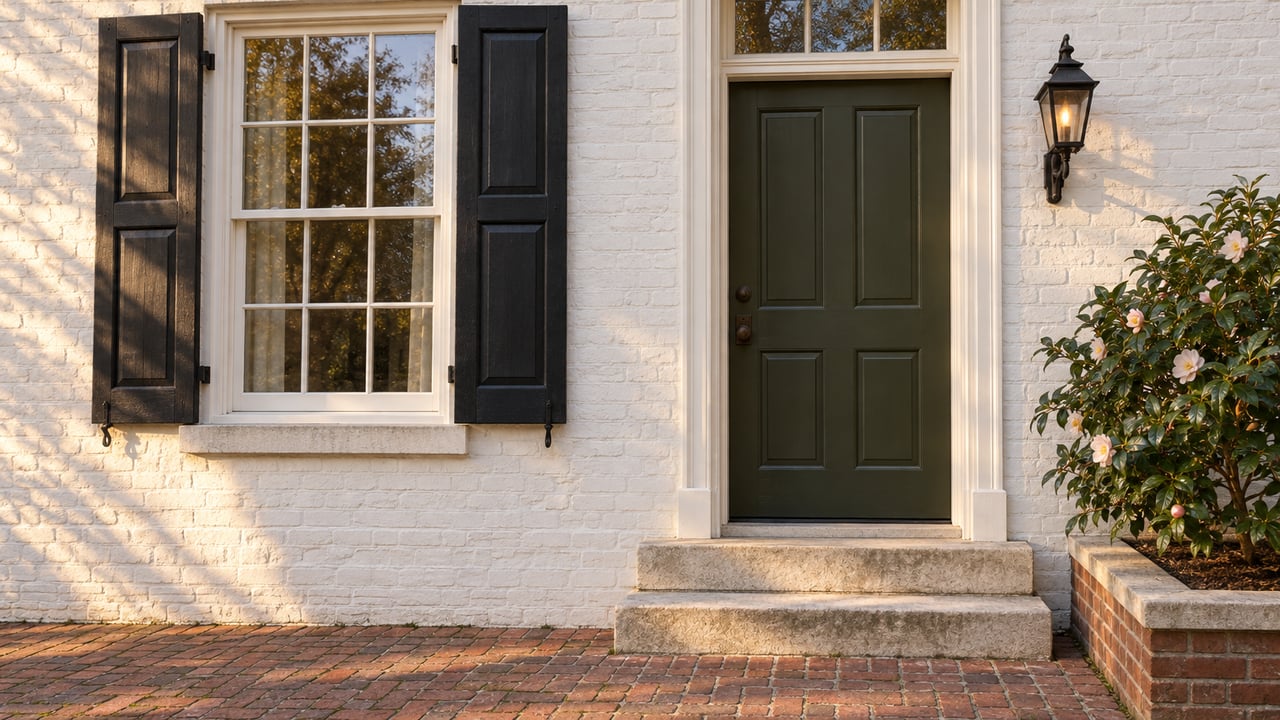
Windows are one of the clearest examples of how historic review affects ownership. In Charleston’s historic districts, the city states that simulated divided-lite windows and vinyl or aluminum windows are not acceptable on historic residences. In many cases, repair is preferred first, and any replacement is expected to closely match the original design and materials.
This is one reason historic-home inspections should be detailed. A beautiful row of older windows may be a selling point, but you will want to know whether they need repair, how much original fabric remains, and what a compliant path forward might look like.
Understand piazzas, porches, and visible equipment
Piazzas and porches are major character-defining elements in many Charleston homes. The city’s guidelines state that synthetic replacement materials are not appropriate for these features on historic properties. If a piazza shows wear, that does not necessarily mean replacement is the answer. Often, repair and material matching are the expected approach.
The city also notes that HVAC units and similar equipment should not be visible from the public right-of-way. So if you are planning updates for comfort and convenience, placement and screening can be just as important as the equipment itself.
Plan for a slower renovation process
If you hope to expand or significantly alter a historic home, expect a more careful review path. Charleston’s guidance states that additions should remain subordinate to the original structure and be compatible with the surrounding context. In practical terms, your design goals need to work with the home rather than overpower it.
That does not mean meaningful improvements are off the table. It means they usually require stronger documentation, thoughtful design, and more coordination than work on a non-historic property. For many buyers, that extra planning is worth it, but it should be part of your timeline and budget from day one.
Think like an owner and a steward
Buying a historic home in Charleston is often as much about stewardship as lifestyle. The city’s preservation resources and preservation organizations alike frame ownership as an ongoing commitment to maintaining character-defining materials, not simply completing one cosmetic update and moving on.
That mindset can shape your budget in a very practical way. Instead of focusing only on purchase price, it helps to budget for three separate categories at once:
- The acquisition itself
- Specialized maintenance and repair
- Time for review and approvals
If you love historic homes, that balance may feel completely worthwhile. The key is going in with clear expectations and a plan that matches the property.
Questions to ask before you buy
Historic homes reward careful buyers. Before moving forward, it helps to gather answers to a few property-specific questions:
- Is the home subject to BAR review?
- Are there any private easements or covenants on the property?
- Is the property in a Special Flood Hazard Area?
- Is there an elevation certificate or other flood documentation available?
- What original materials remain, and what condition are they in?
- Have windows, roofing, piazzas, porches, or masonry been repaired or replaced?
- Were past alterations properly reviewed and approved?
- If you plan future work, could flood or preservation rules affect the scope?
These questions can help you understand not just what you are buying, but what ownership may look like in the years ahead.
Why local guidance matters in Charleston
Charleston’s historic housing market is highly specific. The same home that feels charming at first glance may involve layered review rules, preservation considerations, and flood planning that are easy to miss without local context. In areas like South of Broad and the historic peninsula, experience with architecture, review processes, and property history can make a meaningful difference.
When you have the right guidance, you can approach the purchase with confidence instead of uncertainty. You can better assess whether a property fits your goals, your timeline, and the level of stewardship it may require.
If you are considering a historic home in Charleston, Oyster Point Real Estate Group can help you evaluate the details that matter most and navigate the process with care, discretion, and local insight.
FAQs
What makes a Charleston historic home different from a newer home?
- Charleston historic homes often include older architectural features such as piazzas, original windows, masonry, columns, balustrades, and decorative ironwork, and those elements may be subject to preservation-focused review and maintenance expectations.
What should buyers check about BAR review in Charleston?
- Buyers should confirm whether a property falls under the City of Charleston Board of Architectural Review, since visible exterior alterations and renovations in historic districts may require review or approval.
What are preservation easements on a Charleston historic property?
- Preservation easements or covenants are legally binding restrictions that can limit changes to the property and may require approval from a private organization before city review.
Why is flood risk important when buying a historic home in Charleston?
- The City of Charleston states that all properties are in a flood zone, so buyers should review flood map status, ask for flood documentation, and understand how insurance and lending may be affected.
Can Charleston buyers replace windows in a historic home?
- Repair is usually preferred first, and if replacement is needed, the city expects the new windows to closely match the original design and materials.
What should a Charleston historic-home inspection focus on?
- A strong inspection should pay close attention to moisture intrusion, roofing, gutters, masonry, windows, piazzas, porches, and other original materials that may need specialized repair.
Can buyers add onto a historic home in Charleston later?
- Possibly, but additions generally need to remain subordinate to the original structure and be compatible with the surrounding context, which makes advance planning important.
How should buyers budget for a Charleston historic home?
- Buyers should plan for the purchase price, specialized maintenance costs, and the extra time that may be needed for preservation or flood-related review.