If you picture Charleston waterfront living as one thing, you may be surprised by how different each option feels. In this market, your view, access, and daily rhythm can change dramatically depending on whether you choose the historic harbor edge, a creekside setting in Mount Pleasant, or beach living on the barrier islands. If you want to narrow the field with more confidence, this guide will help you compare the lifestyle, property considerations, and practical tradeoffs across Charleston’s main waterfront settings. Let’s dive in.
Charleston waterfront living starts with lifestyle
Charleston sits on Charleston Harbor where the Ashley and Cooper Rivers meet, so “waterfront” can mean several very different experiences. Some buyers want a front-row harbor view near the historic core, while others care more about dock access, beach time, or a quieter residential feel.
That is why the first question is not simply whether you want to live near the water. It is how you want the water to show up in your day-to-day life. In Charleston, that choice usually comes down to three paths: harbor-front Charleston, creekside Mount Pleasant, or beach-focused living on Isle of Palms or Sullivan’s Island.
Harbor-front Charleston
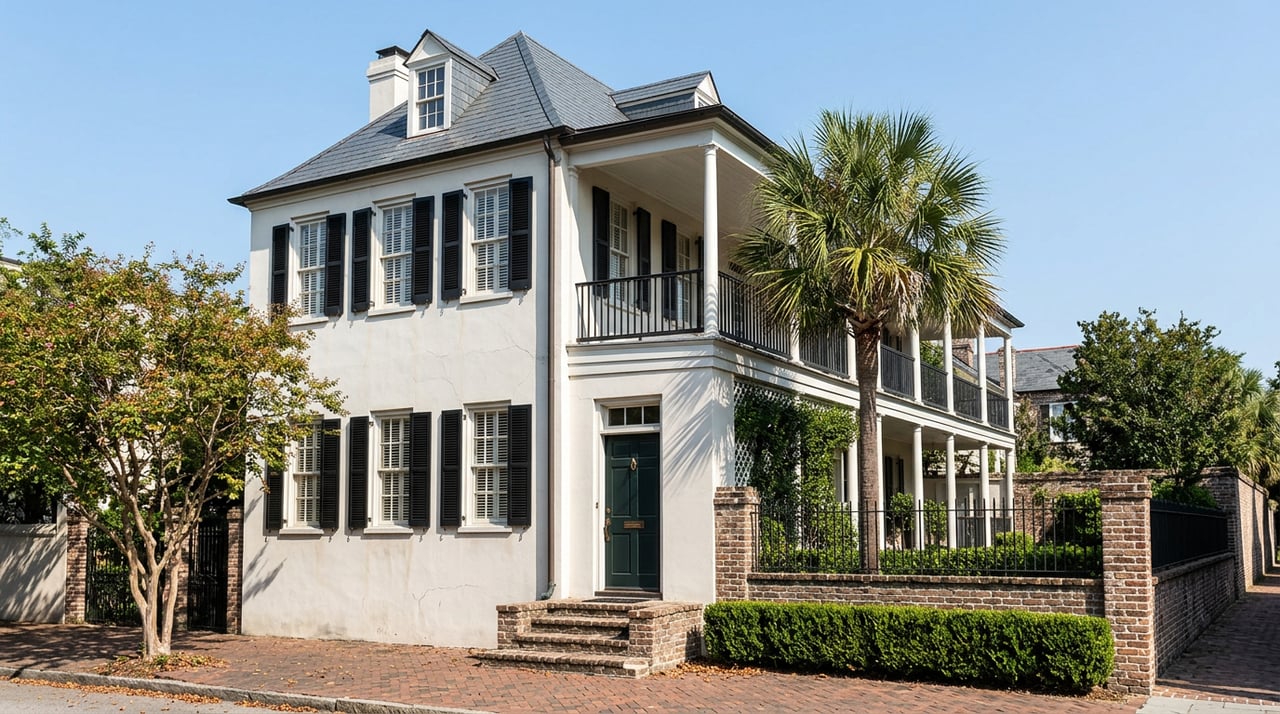
Harbor-front Charleston offers one of the city’s most recognizable waterfront experiences. South of Broad and the Battery place you close to Charleston Harbor, White Point Garden, and some of the peninsula’s most historic streetscapes.
For many buyers, the appeal is clear. You get architectural character, walkability, and views that feel tied to Charleston’s history in a way few other locations can match.
What living here feels like
This is the most urban waterfront option in the Charleston area. The setting is shaped by historic houses, preserved streets, and a strong sense of place rather than a casual beach-town atmosphere.
If you are drawn to classic Charleston architecture and a harbor-facing setting, this area can feel deeply special. It also tends to suit buyers who value legacy ownership and understand that a historic home often comes with a different level of stewardship.
What buyers should know
The City’s historic survey covers the Old & Historic District and Old City District from Line Street to the Battery, and the Board of Architectural Review oversees work in historic districts. South of Broad is defined in city code as the area bounded by Broad Street, the Cooper River, the Ashley River, and the harbor edge.
In practical terms, that means exterior changes are not as simple as they may be in other neighborhoods. Historic buildings are protected, and even modern updates tied to flood resilience can be part of a broader preservation review conversation.
Flood readiness matters
Waterfront ownership on the peninsula also requires attention to flood preparedness. The City’s Low Battery restoration was designed to reinforce the peninsula against rising seas, storm surge, and intense rainfall, and the City’s WaterWise resources point residents toward flood-preparedness and flood-insurance information.
That does not make harbor-front ownership less appealing. It simply means the right property decision should balance beauty, historic context, and long-term practicality.
Mount Pleasant creekside living
If you want water access that feels more usable than ceremonial, Mount Pleasant deserves a close look. This is often where buyers find a more residential rhythm, with easier boating access and a setting that feels less formal than the historic peninsula.
For many people, Mount Pleasant hits a middle ground. You are still connected to Charleston Harbor, but the lifestyle often centers more on creeks, docks, and neighborhood patterns than on landmark views.
Why Shem Creek shapes the market
Shem Creek is one of the defining water features in Mount Pleasant. The Town describes it as a tidal tributary and the traditional harbor for local residents for more than 300 years, with direct access to Charleston Harbor and a long history tied to fishing, shrimping, oystering, crabbing, shipbuilding, and boat launching.
That history still shapes how the area feels today. Buyers who spend time on the water often appreciate the practical side of living near a working creek with direct harbor access.
Old Village offers harbor-adjacent charm
The Old Village Historic District is a 37-block conservation district bounded by Shem Creek, Whilden Street, the old bridge and marshland, and Charleston Harbor. The Town describes it as a quiet residential area with small and large houses, shade trees, lawn setbacks, and harbor views from bluff-front homes.
For buyers, that can translate into a calm residential setting with water nearby rather than a beach-driven environment. It often appeals to those who want boating convenience, waterfront restaurants, and a neighborhood feel without moving onto a barrier island.
Boating comes with rules
Mount Pleasant’s water access can feel more straightforward than beach living, but it is still regulated. The Town requires a permit if a boat or floating structure stays in the same spot for more than 14 consecutive days within a five-mile radius on public waters.
That is an important reminder if boating is part of your plan. In Charleston, access and ownership are closely connected to local rules, so the practical side matters just as much as the view.
Isle of Palms beach living
If your definition of waterfront starts with sand, surf, and a true beach-home atmosphere, Isle of Palms is one of the clearest fits in the Charleston area. The City describes it as a seven-mile beach destination with a Front Beach commercial district, public restrooms, parking, and a mix of restaurants and shops.
This is a very different experience from the peninsula or creekside Mount Pleasant. Here, the beach is not a backdrop. It is the main event.
A beach-first housing mix
Isle of Palms is shaped largely around detached single-family beach living. The City’s zoning framework centers on single-family residential districts, along with a planned residential district for Wild Dunes, and the short-term rental rules also treat single-family homes as the basic residential unit.
That gives the island a more house-focused market identity. Even with commercial and resort pockets, it generally feels more like a beach-home market than a dense condo environment.
Resort access and recreation
The island also supports a wide range of water recreation, including kayaking, canoeing, sailing, fishing, and harbor cruises. Wild Dunes adds a major resort presence with golf and vacation amenities, which can shape the feel of certain sections of the island.
For some buyers, that mix is a major advantage. For others, it is worth thinking carefully about whether they want a more active resort-adjacent setting or a quieter coastal environment.
Coastal upkeep is part of ownership
Barrier-island living comes with more moving parts. The City says it offers more than 50 beach access paths, but parking is tightly regulated, driving on the beach or beach access paths is prohibited, and the island continues to manage erosion and king-tide impacts through beach-restoration work.
That is a useful reality check for buyers. On Isle of Palms, ownership can mean more exposure to access rules, shoreline changes, and the maintenance demands that come with a dynamic coastal setting.
Sullivan’s Island beach living
Sullivan’s Island offers another beach-oriented option, but the tone is notably different from Isle of Palms. The Town says the island is 3.5 miles long and defined by 3.5 miles of Atlantic Ocean beachfront, with numerous public access paths and ADA-accessible access at several stations.
The overall feel is more residential and restrained. If you are looking for a beach town with a lower-key atmosphere and a strong focus on preserving residential character, Sullivan’s Island often stands apart.
A more residential island feel
The Town’s planning department states that its mission includes maintaining residential character, and the zoning code includes a single-family residential district and a historic preservation overlay. That creates a setting that feels less resort-commercial and more like a protected residential beach town.
For many buyers, that distinction matters. The island tends to appeal to people who want beach access and coastal living without a stronger resort identity.
Beach access and rules
Sullivan’s Island has numerous public access paths, but public parking is limited to the right-of-way. The Town also notes that no lifeguards are on duty and that rules limit vehicles on beach paths and beaches, along with alcohol, smoking, plastics, and certain other activities.
Those details are part of what shapes daily life on the island. The beach is central, but access and use are clearly managed, which is important to understand before you buy.
How to compare Charleston waterfront options
If you are deciding among these areas, it helps to compare them by how you actually plan to live.
| Area | Best fit for | Main appeal | Main tradeoff |
|---|---|---|---|
| Harbor-front Charleston | Buyers who value history, architecture, and walkability | Harbor views, the Battery, preserved streetscapes | Historic review, exterior limits, flood planning |
| Mount Pleasant | Buyers who want boating access and neighborhood feel | Shem Creek access, harbor connection, quieter streets | Water-use rules and less beach-centered living |
| Isle of Palms | Buyers who want a beach-first lifestyle | Seven-mile beach, recreation, resort amenities nearby | Parking pressure, erosion, coastal maintenance |
| Sullivan’s Island | Buyers who want a residential beach town | Strong beach focus, lower-key atmosphere, preserved character | Tight access rules and limited parking |
Charleston County Park & Recreation Commission also maintains 19 public boat landings countywide. The County notes that ramps are self-managed and tide-sensitive, with high-traffic landings including Shem Creek, Remley’s Point, Wappoo Cut, Battery Island/Sol Legare, and Riverland Terrace.
That wider access network can matter if boating is part of your lifestyle, even if your home itself is not directly on the water. Sometimes the best fit is not the most obvious one, but the one that matches how you plan to move through Charleston every week.
What matters beyond the view
It is easy to focus on the photos first, but waterfront buying decisions in Charleston usually come down to more than scenery. Preservation review, flood planning, parking limits, beach access systems, mooring rules, and shoreline management can all affect ownership.
That is especially true in a market where each waterfront setting has its own rhythm. A harbor-facing historic home, a creekside property near Shem Creek, and a beach house on a barrier island may all fall under the same broad category of waterfront living, but they ask very different things of an owner.
The best choice is usually the one that fits both your lifestyle and your tolerance for maintenance, regulation, and seasonal access patterns. When those pieces line up, Charleston waterfront living can feel as rewarding as it looks.
If you are weighing waterfront options in Charleston, working with a team that understands historic homes, coastal property, and hyperlocal market differences can make the search much more focused. Oyster Point Real Estate Group helps buyers and sellers navigate South of Broad, Mount Pleasant, Isle of Palms, Sullivan’s Island, and other distinctive Charleston markets with thoughtful local guidance.
FAQs
What is the difference between Charleston harbor-front living and beach living?
- Harbor-front Charleston is more historic, walkable, and urban, while beach living on Isle of Palms or Sullivan’s Island is more focused on sand access, shoreline rules, and a coastal day-to-day lifestyle.
What should buyers know about historic waterfront homes in Charleston?
- Buyers should know that homes in Charleston historic districts may be subject to preservation oversight, and exterior changes can be more limited than in other waterfront areas.
What makes Mount Pleasant a strong choice for waterfront buyers?
- Mount Pleasant often appeals to buyers who want practical boating access, creekside living, and a quieter neighborhood feel with connection to Charleston Harbor.
What should buyers expect from Isle of Palms ownership?
- Buyers should expect a beach-first setting with strong recreation access, but also parking rules, beach access regulations, and ongoing shoreline management tied to erosion and coastal conditions.
How is Sullivan’s Island different from Isle of Palms for homebuyers?
- Sullivan’s Island generally feels more residential and less resort-oriented, with a strong emphasis on beach access, preserved character, and single-family residential patterns.